
Corporate Innovation Is Not a Moment of Genius — It’s a Long-Term Team Effort
When we talk about innovation, we often imagine a eureka moment. A lone genius makes a groundbreaking discovery that changes the world. These cinematic narratives are appealing: Alexander Fleming discovers penicillin in a petri dish, a chemist dreams up the structure of benzene, or someone draws a map that solves a public health crisis. But for today’s companies, this kind of innovation story is more fiction than reality.
Innovation Isn’t a Flash of Brilliance. It’s a System.
Real corporate innovation is rarely sudden. It’s a long-term, often messy process involving experimentation, feedback, adaptation, and above all, teamwork. It doesn’t just require good ideas; it also needs the right timing, a supportive culture, and consistent execution.
An article in The Economist recently highlighted three real-world innovation journeys that demonstrate this perfectly:
1. Wayve: Eight Years of Teaching AI to Drive
Wayve, a UK-based self-driving software startup, took a path few others dared. While competitors were writing rulebooks for cars, Wayve believed AI should learn from real-world driving patterns. For years, their approach was seen as unconventional, but after eight years of rigorous testing, the company secured a strategic partnership with Nissan.
"True innovators often begin as outliers—and stay the course until the world catches up."
Ultimahub Tweet
2. Google Maps: Reviews That Took Years to Stick
Google attempted several versions of restaurant reviews before the feature became a success. It wasn’t until the arrival of location tracking and push notifications that the user experience was seamless enough to work. The idea didn’t change, but the ecosystem did.
"Good ideas can fail if the timing isn’t right. Innovation needs patience."
Ultimahub Tweet
3. Monumental: Robots That Learn by Logging Every Mistake
Dutch startup Monumental is building bricklaying robots that operate on chaotic construction sites. Each glitch or inefficiency is logged in a “friction log” by on-site operators, then reviewed by engineers for improvement. The company also employs human masons to support where machines fall short, combining income generation with real-world data collection.
"Innovation is shaped in unpredictable, real-life environments, not just in labs."
Ultimahub Tweet
What Do These Stories Tell Us?
They tell us that innovation isn’t about having the smartest people in the room or the flashiest idea. It’s about:
- Creating systems that turn feedback into solutions
- Collaborating across departments and disciplines
- Making space for trial and error
- Understanding the timing and cultural readiness of a market
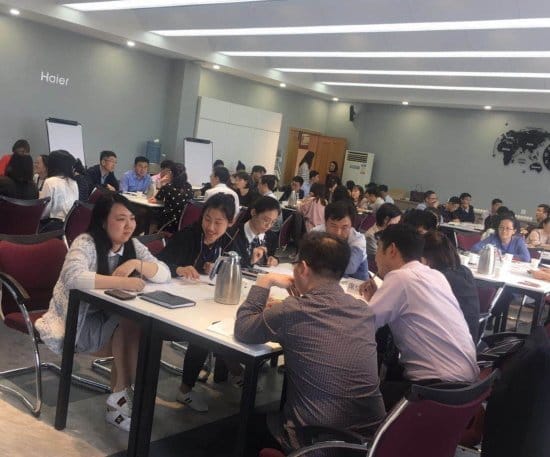
At Ultimahub, we’ve worked with organizations across Asia and beyond to help them cultivate these very capabilities. Whether through innovation leadership training, cross-department collaboration workshops, or cultural intelligence (CQ) development programs, we focus on helping teams become more adaptable, communicative, and innovation-ready.
Breakthroughs do happen, but they’re rarely solo efforts. They come from structured learning, team resilience, and cultural openness. When companies stop chasing lightning in a bottle and start investing in systems, people, and processes, innovation becomes not a lucky break, but a capability.