
Occupational Health & Safety (OHS) Compliance Training for Taiwan & Asia
Safeguard your workforce, mitigate legal liability, and drive operational excellence with world-class safety training adapted for the Asian market.
In the high-paced business environments of Taiwan and Asia, maintaining a compliant and safe workplace is not just an ethical duty—it is a strict legal necessity and a crucial factor in operational efficiency. Regulatory bodies in Taiwan (Ministry of Labor) and across the APAC region are increasing enforcement, making the cost of non-compliance higher than ever.
Ultimahub’s Occupational Health & Safety (OHS) Compliance Training is designed to bridge the gap between complex government regulations and day-to-day operations. We equip your leadership, HR managers, and frontline personnel with the essential knowledge to mitigate risks, comply with Taiwan’s Occupational Safety and Health Act, and cultivate a proactive safety culture.
Whether you are managing a manufacturing plant in Kaohsiung, a corporate office in Taipei, or a regional team across Asia, this course ensures your operations remain uninterrupted, safe, and legally sound.
Why OHS Training is Critical for Your Business
Many companies view safety training as a formality. However, effective OHS implementation is a strategic asset.
Legal Compliance: Navigate the complexities of local Taiwanese labor laws and international standards (ISO 45001).
Risk Reduction: Proactively identify hazards (HIRA) before they result in costly accidents or stoppages.
Reputation Management: Protect your brand image by demonstrating a genuine commitment to employee welfare.
Employee Retention: Staff work more efficiently and stay longer when they feel their physical and mental well-being is prioritized.
Did you know? In Taiwan, employers hold significantly increased liability for workplace accidents under recent OSHA amendments. Ignorance of the law is not a defense.
Course Modules & Learning Outcomes
Tailored to Your Environment
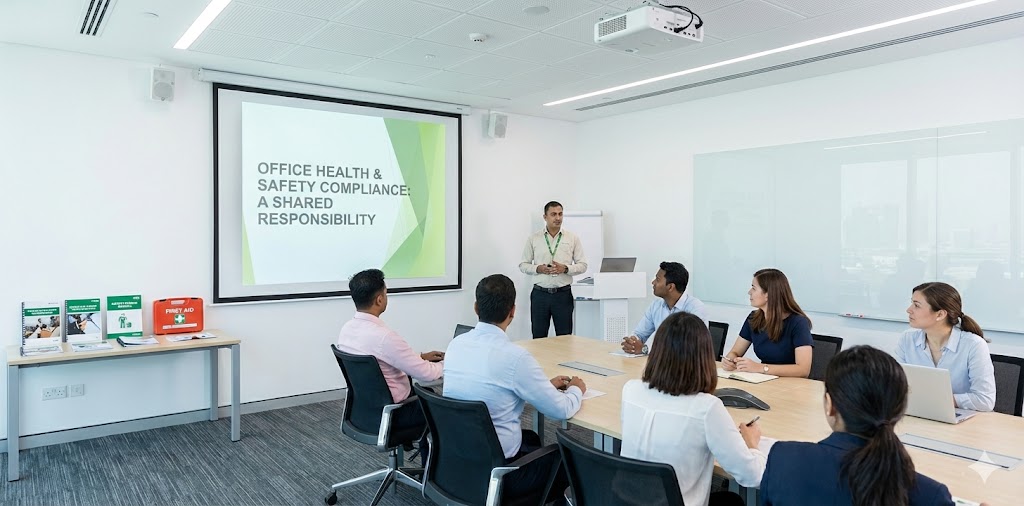
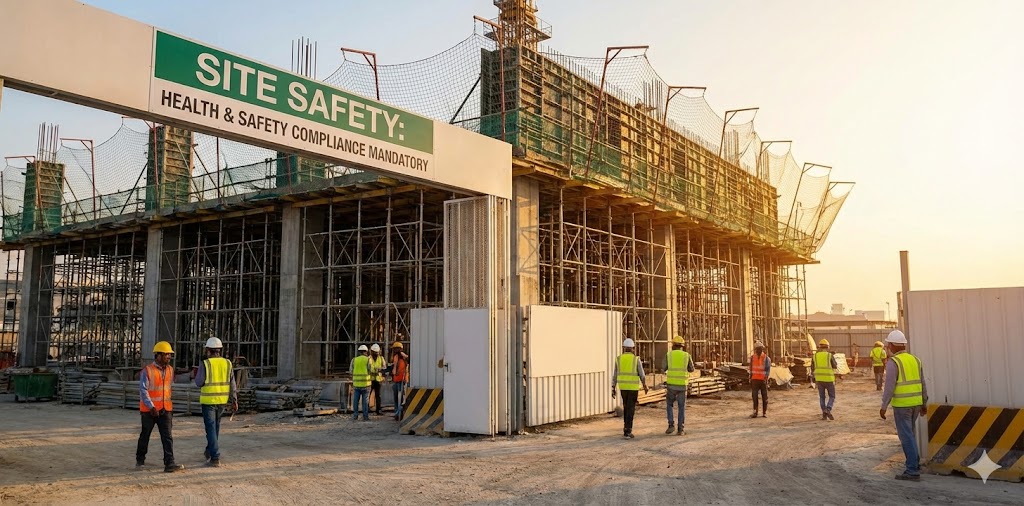
This comprehensive program is customizable to your specific industry needs, whether you operate in Manufacturing, Tech, Logistics, or a Corporate Office setting.
- Understanding the Occupational Safety and Health Act (Taiwan).
- Employer vs. Employee responsibilities under the law.
- Navigating inspection requirements and government reporting.
- Overview of international standards (ISO 45001, OSHA USA) and how they apply locally.
- The hierarchy of controls: Elimination, Substitution, Engineering, Administrative, PPE.
- Conducting a Job Safety Analysis (JSA).
- Identifying “Hidden Hazards”: Ergonomics, psychosocial stress, and chemical exposure.
- Practical Workshop: Mapping hazards in your specific workplace.
- Immediate actions to take following an incident or “near-miss.”
- Techniques for effective investigation (The “5 Whys” and Fishbone Diagrams). [Image of fishbone diagram for root cause analysis]
- How to write an incident report that meets legal standards.
- Strategies to prevent recurrence.
- Developing actionable Emergency Action Plans (EAP).
- Fire safety protocols and evacuation drills.
- Medical emergency basics and First Aid coordination.
- Natural disaster preparedness (Earthquakes/Typhoons specific to Taiwan).
- Moving beyond policing: How to get employee buy-in.
- Overcoming cultural barriers to safety reporting (e.g., “saving face”).
- The role of leadership in modeling safe behaviors.
- Effective safety communication techniques.
Corporate Training That Delivers Results
We do not believe in “death by PowerPoint.” Our OHS training is dynamic, interactive, and practical.
🌏 Bilingual Delivery
Available in English and Mandarin Chinese to ensure all staff, local and expat, fully understand the material.
⚡ Scenario-Based Learning
We use real-world case studies relevant to the Asian market to test decision-making skills in a safe environment.
🎲 Gamified Learning
Quizzes and interactive group activities keep engagement high, ensuring knowledge retention is maximized.
🛠️ Custom Workshops
We tailor the content to match your specific industry risks—whether that is heavy machinery, chemical handling, or office ergonomics.